
High-level delegations from Mecca Pact countries Saudi Arabia, Pakistan and Turkey are in Tehran on Monday for talks with Iranian officials aimed at averting renewed fighting between Iran, Israel and the United States, according to Iran’s Foreign Ministry.
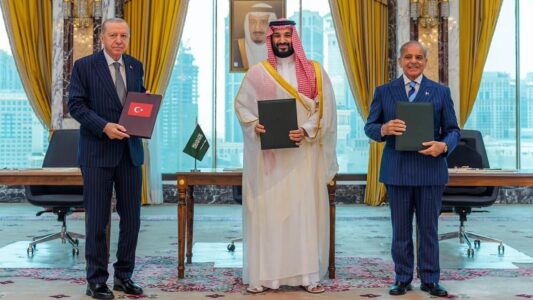
This would be the first such high-level contact in recent months since the kingdom became a pressure point in the wider West Asia conflict. Under the Mecca Joint Defence Agreement, an armed attack on one member is considered an attack on all.
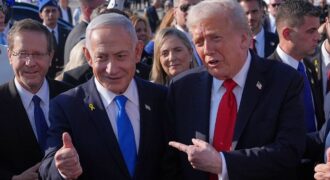
Defence Minister Prince Khalid bin Salman will represent Saudi Arabia, Army chief Asim Munir will represent Pakistan, and Turkey will be represented by intelligence chief Ibrahim Kalin. They will meet Iran’s top security officials and negotiators to push for a deal between Tehran and Washington. The meeting comes at a time when many around the world seem anxious about a possible return to war amid threats by United States President Donald Trump.
Iran’s Foreign Ministry spokesperson Esmail Baghaei told reporters that the agenda for the meeting was not set, but the talks would “undoubtedly address the most pressing threats to regional security.” According to Baghaei, the meeting was proposed during a visit by Munir to Tehran last week. He said that it could be the first step towards establishing regional security mechanisms based on the interests of countries in the region.
Saudi Arabia said in a statement that the delegations hoped to find “ways to de-escalate tensions, enhance regional security and promote its stability.”
Qatari mediators travelled to Iran on Sunday as part of efforts to de-escalate the conflict. Pakistan and Qatar have, for months, played a mediating role between Tehran and Washington.
The war began as the US and Israel carried out joint airstrikes on Iran on February 28, killing the country’s Supreme Leader Ayatollah Ali Khamenei. Iran responded with retaliatory strikes on Israel and Gulf states that host US bases. The two sides reached a ceasefire agreement in June which sought to restore shipping through the strait, lift the US naval blockade and begin negotiations toward a broader deal addressing Iran’s nuclear program.
The June agreement collapsed shortly, paving the way for renewed hostilities and a prolonged conflict with mounting regional and global security risks. The war has raised oil and gas prices around the world. Mediators have been trying to bring Washington and Tehran back to formal talks as the war has reached a stalemate.