
The US Food and Drug Administration (FDA) has issued its highest-risk warning for recalled Graziers raw milk cheese products after an E. coli outbreak sickened 13 people across nine states, hospitalised eight and left three with a potentially life-threatening kidney complication.
The FDA classified the recall as Class I on Monday, October 19, covering affected products manufactured by California-based Sierra Nevada Cheese Company. The classification means there is a reasonable probability that consuming or being exposed to the recalled products could cause serious health consequences or death.
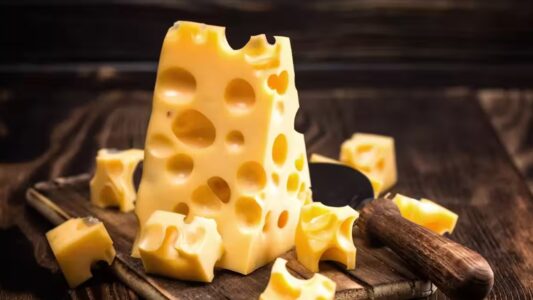
The affected products include Graziers Monterey Jack, jalapeño jack, medium cheddar and sharp cheddar cheeses. The recall covers retail packages as well as larger formats supplied to food-service businesses and wholesalers.
According to the recall information, consumers have been warned not to eat the affected cheeses. The products were distributed in Arizona, California, Colorado, Florida, Georgia, Illinois, Indiana, Maryland, New Jersey, Oregon, Texas, Washington and Wisconsin.
Sierra Nevada Cheese Company announced the voluntary recall on September 28. The outbreak involves Escherichia coli O26, a strain of Shiga toxin-producing E. coli that can cause severe illness.
The US Centers for Disease Control and Prevention (CDC) reported that 13 people across nine states had been infected as of September 25. Eight patients were hospitalised, while three developed haemolytic uraemic syndrome (HUS), a serious complication that can cause kidney failure. No deaths had been reported at the time of the update.
More than half of those infected were children aged five or younger, according to the CDC.
All nine people interviewed by investigators about their food consumption before falling ill reported eating Graziers raw milk cheese. Genetic analysis also found that bacteria collected from infected individuals were closely related, indicating a likely common source of infection.
Newsweek reported that it had contacted Sierra Nevada Cheese Company for comment.
The recall comes amid a series of foodborne illness investigations in the US involving pathogens including Cyclospora, Salmonella and Listeria.
One of the largest outbreaks reported this year involved Cyclospora, a parasite that causes the intestinal illness cyclosporiasis. According to CDC data available on September 15, health officials had recorded 19,883 laboratory-confirmed cases acquired in the US among people whose symptoms began between May 1 and August 31, 2026. That compared with 1,180 cases over the same period in 2025.
The 2026 figures included 1,064 hospitalisations and two deaths, with cases reported in 49 states and the District of Columbia. More than 12,000 cases were associated with a multistate outbreak linked to iceberg lettuce sourced from central Mexico and recalled by Taylor Farms de Mexico. The CDC declared that outbreak over on September 11, while the FDA concluded its investigation on October 2.
However, the total number of reported Cyclospora infections also included cases not linked to that particular outbreak. The parasite can cause prolonged watery diarrhoea, loss of appetite, stomach cramps, nausea and fatigue, and is generally transmitted through contaminated food or water.
Salmonella outbreaks have also prompted food safety investigations and recalls. In an investigation declared over on October 2, the CDC reported 488 illnesses across 34 states linked to imported jalapeño peppers from Sinaloa, Mexico, distributed by Coast Citrus Distributors.
Of the 434 patients for whom hospitalisation information was available, 65 had been hospitalised. No deaths were reported. Investigators said epidemiological and traceback evidence pointed to possible contamination with Salmonella Javiana.
Salmonella infections can cause diarrhoea, fever and stomach cramps. Although many people recover without specific treatment, the illness can be more serious for young children, older adults and people with weakened immune systems. Other CDC investigations have involved products such as shell eggs and sprouts.
Listeria has also prompted food safety action, including an outbreak linked to soft cheese supplied by Clover Hill Dairy in Maryland. In its final update on August 26, the CDC reported 15 illnesses across four states associated with Listeria in requesón, a soft cheese similar to ricotta. Fourteen people were hospitalised and one death was reported.
The illnesses dated back to March 2023, with the most recent reported onset in July 2026. Investigators detected Listeria in requesón samples and an environmental sample, with genetic analysis showing that bacteria found in the cheese were closely related to those detected in infected people. The CDC subsequently declared the investigation over, saying recalled products were no longer available for sale.
Listeria infection can cause fever, muscle aches and gastrointestinal symptoms. It can also lead to severe complications, particularly among pregnant women, newborns, adults aged 65 and older, and people with weakened immune systems.
The latest recalls come as public confidence in US food safety appears to be declining. A Gallup survey published on October 8 found that 65 per cent of US adults were very or somewhat confident that food sold at most grocery stores was safe to eat, the lowest level recorded by the pollster. The figure was down from 73 per cent in 2025 and 81 per cent in 2019.
Confidence in the federal government’s ability to ensure food safety was lower. Only 47 per cent of respondents said they had a great deal or a fair amount of confidence in the government’s ability to protect the US food supply, compared with 53 per cent in 2025 and 68 per cent in 2019.
The survey also found that 73 per cent of Americans had avoided certain foods following a recall or government food safety advisory, up from 53 per cent in 2024. It was conducted between September 1 and 17 among 1,000 adults, with a margin of error of plus or minus four percentage points.
Consumers who have purchased Graziers raw milk cheese should check the official recall notice for product details and follow instructions not to consume affected items.